

Outdoor LED Is Straightforward, If You Know What Matters!

-
Author President - Vanguard LED Displays
-
Published April 09
2025
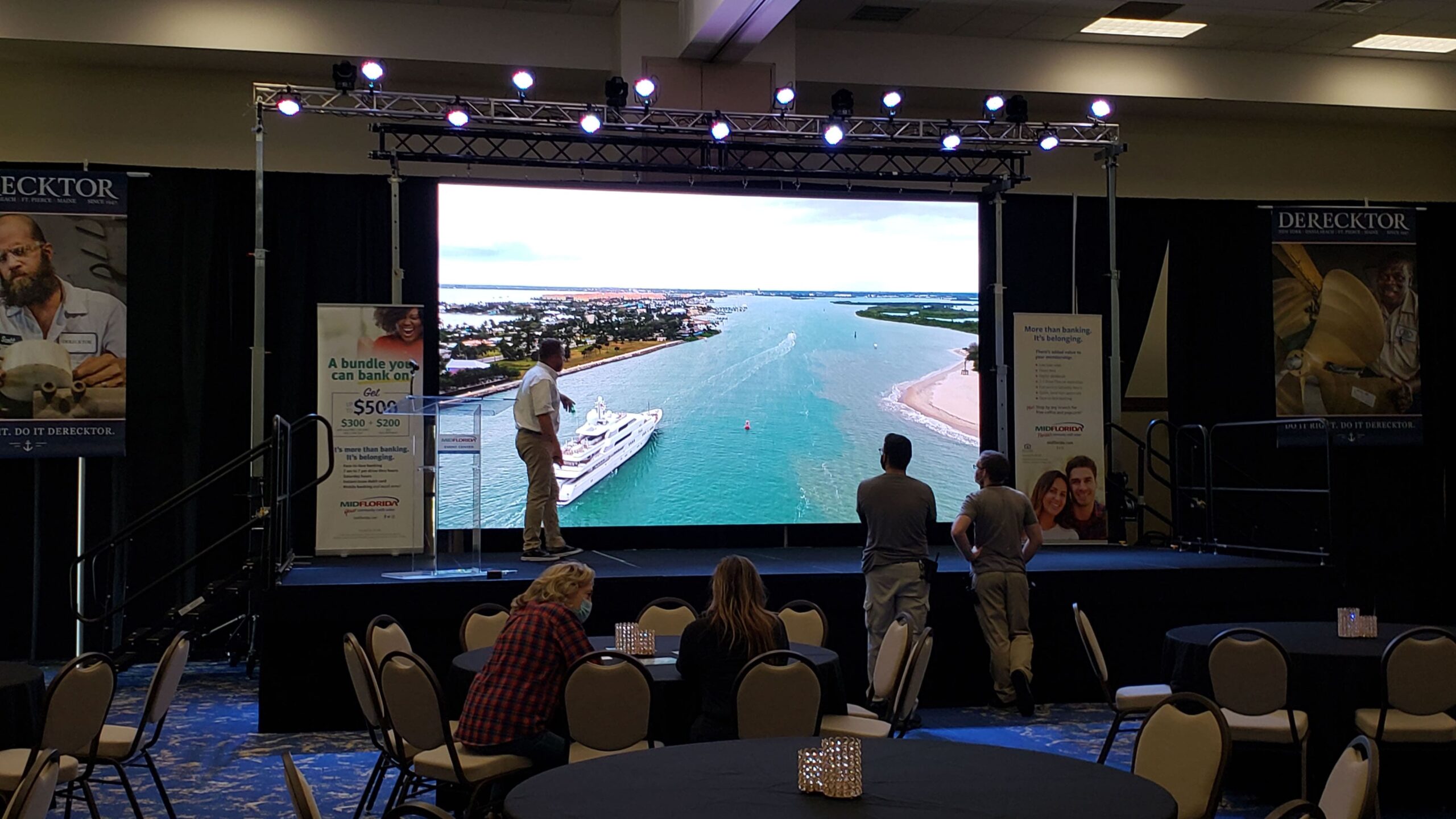
Most people assume outdoor displays are fragile by definition. We picture rain hitting electronics and think “gamble.” But that instinct comes from our experience with consumer tech. Professional outdoor LED is a different beast entirely.
At its core, an outdoor LED system uses the same processing and internal components as an indoor system. The difference is how the system is finished. Outdoor modules are sealed around every pixel. Connectors are weather-proofed. Higher-intensity pixels are used so the display can operate at higher brightness when it needs to.
With the right system design, outdoor conditions stop being a concern altogether.
What to know about IP ratings
That leads to another common assumption, that “outdoor-rated” is a vague marketing label and IP ratings are mostly fine print. In practice, the IP scale matters, but not equally across all numbers. For outdoor LED, the moisture rating, the second number, is the one that counts. Indoor displays often aren’t even meaningfully tested for moisture.
Proper outdoor LED carries a moisture rating of at least IPx5, which means water simply isn’t getting into sensitive components. In extreme environments, like marine or coastal applications, IPx6 can be beneficial. But once you’re at IPx5 or above, moisture stops being a variable worth worrying about.
- IPx5: Protected against water jets (Standard rain/storms)
- IPx6: Protected against powerful water jets (Coastal/Marine spray)
The Takeaway: If you’re at IPx5 or above, moisture stops being a variable.
What to know about brightness
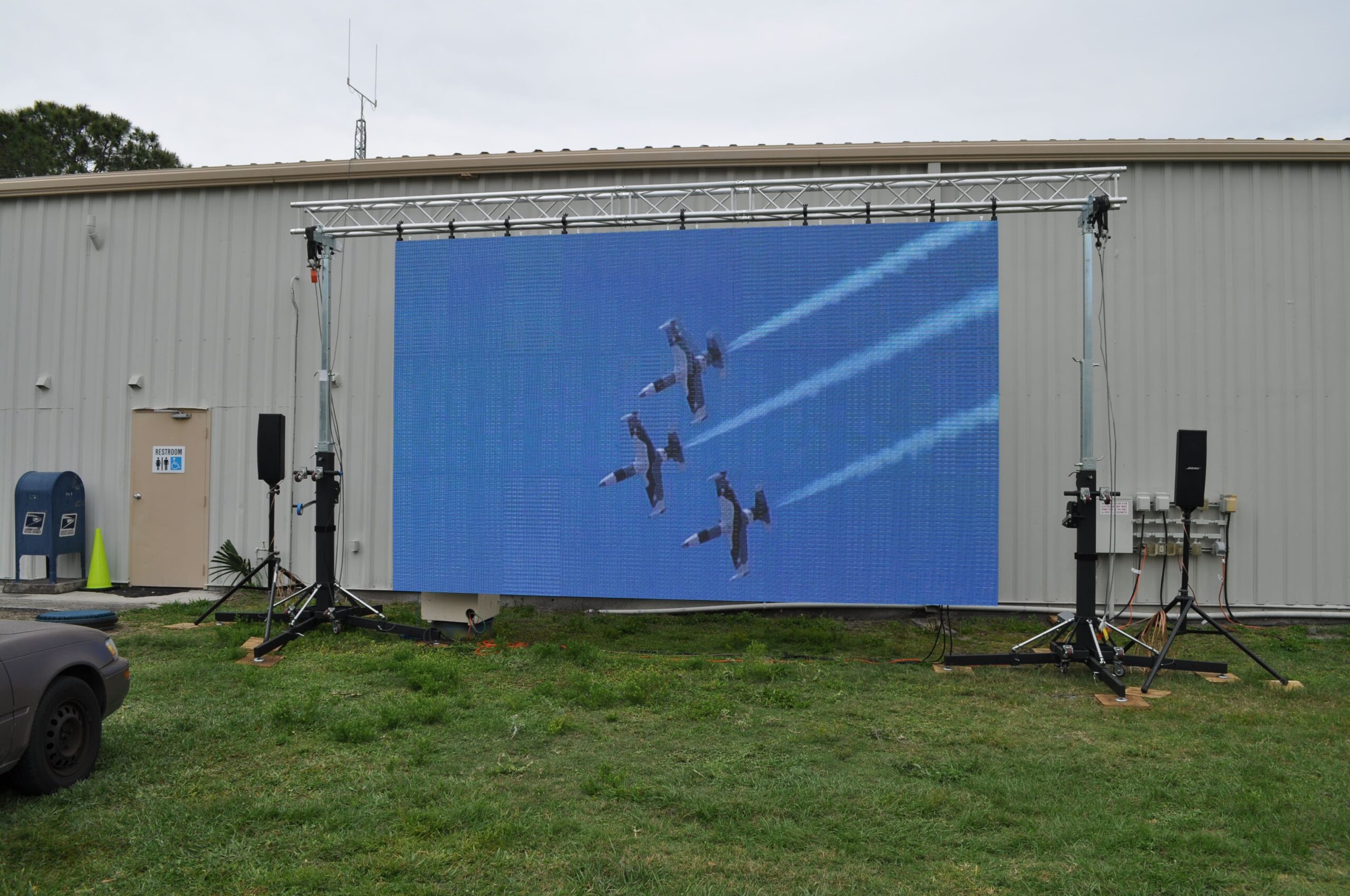
Brightness is where the industry most aggressively oversells. There’s a belief that brighter is always better, that if you don’t max out nits, the display will somehow underperform. In reality, outdoor displays only need to outshine direct sunlight for a few hours a day, and even then, not by much.
We’ve installed displays at 4,500 nits that handle direct south-facing sun without issue. Could you spec 8,000? 12,000? Sure. Will it look better? No. Will it cost more and age faster? Yes. For most applications, 4,500–5,500 nits is the practical ceiling. Above that, you’re buying numbers on a spec sheet.
South-facing screens get an especially bad reputation, as if they’re fundamentally unworkable. They aren’t. A display capable of 4,500 nits can produce clear, vibrant images even with direct sun washing across the face. The real problem isn’t daytime washout, it’s nighttime glare. A display that looks great at noon can become painfully bright at midnight if it doesn’t know the environment has changed. That’s not a display problem. It’s a configuration problem.
To us, a light sensor should be standard equipment, period. The industry treats these as optional accessories. That’s backwards. With a sensor installed, the display adjusts dynamically: vibrant at noon, comfortable at midnight, appropriate in overcast conditions. Simple, cheap, always available. The display doesn’t need to guess what’s happening outside. It can respond to it. Not using one isn’t just leaving performance on the table—it’s the difference between a screen that integrates into its environment and one that fights it.
What to know about installation and maintenance
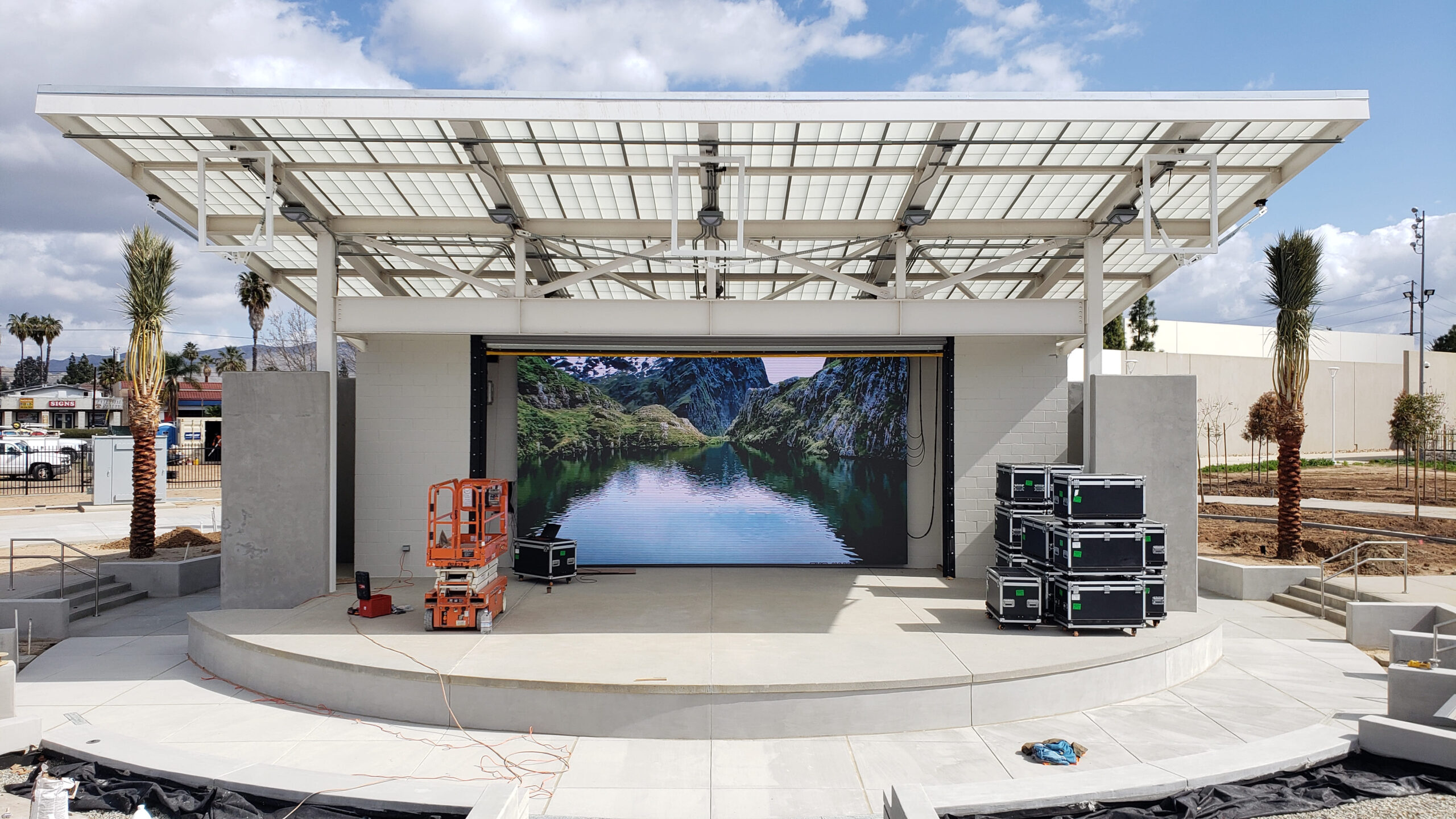
Most people think if the panels are high-quality, the rest is secondary. Outdoors, that logic is dangerous. An indoor install is controlled; an outdoor install is entirely about managing physics. You aren’t just mounting a screen; you’re managing wind loads, snow weight, and thermal expansion. If your framing isn’t engineered for movement, the environment will eventually tear the display apart from the inside out.
The truth about maintenance: LED is modular and surprisingly forgiving. A dead pixel doesn’t kill the show, and because outdoor pixels are beefier and less “handled” than indoor ones, they often last longer. When a screen fails, it’s rarely a “display problem.” It’s an implementation problem:
- Cheap Cables: Weather-proofing only works if the seals are seated.
- Lazy Mounting: If the structure shifts, the modules gap.
- Poor Access: The screen isn’t hard to fix, but if you need a 100-foot crane to reach a screw, your “simple fix” just became a line-item nightmare.
A properly engineered structure is the difference between a display that quietly works for a decade and one that becomes a recurring headache.
Outdoor LED isn’t hard—it just requires a partner who respects the elements. At Vanguard, we approach outdoor LED the same way we always have: by respecting the environment, engineering for reality, and refusing to sell specs that don’t translate into real-world performance.
Recent Post
Featured Post
Mastering the Art of Outdoor LED Displays: A Comprehensive Guide
REACH OUT TO US
Fill out the form below, and lets get started!
Please Note: To ensure legitimate corporate inquiries, only business email addresses are accepted. Submissions from consumer email providers (e.g., Gmail, Yahoo, Hotmail, Ymail) will not move forward.
Demo Title
This will close in 50 seconds