
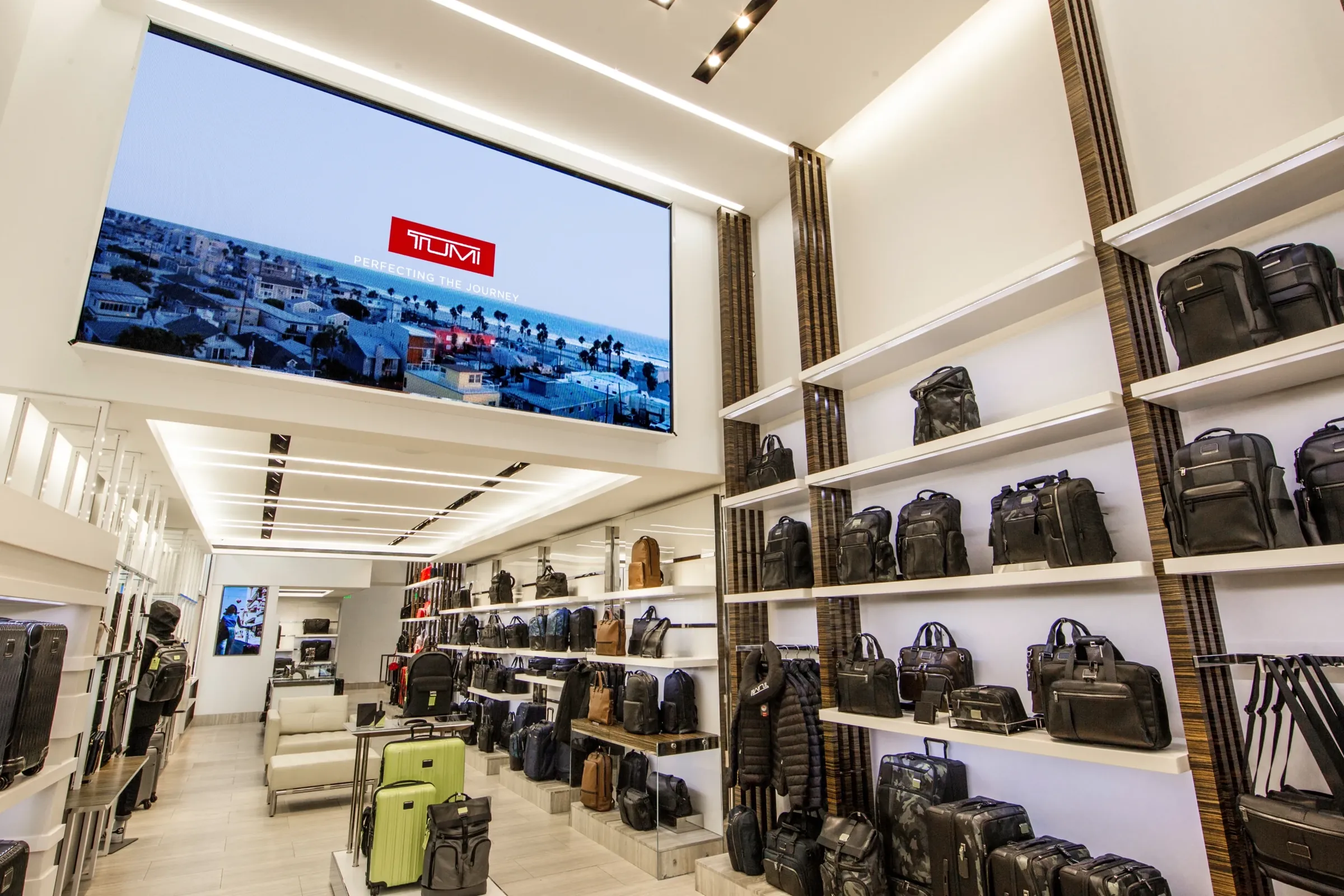

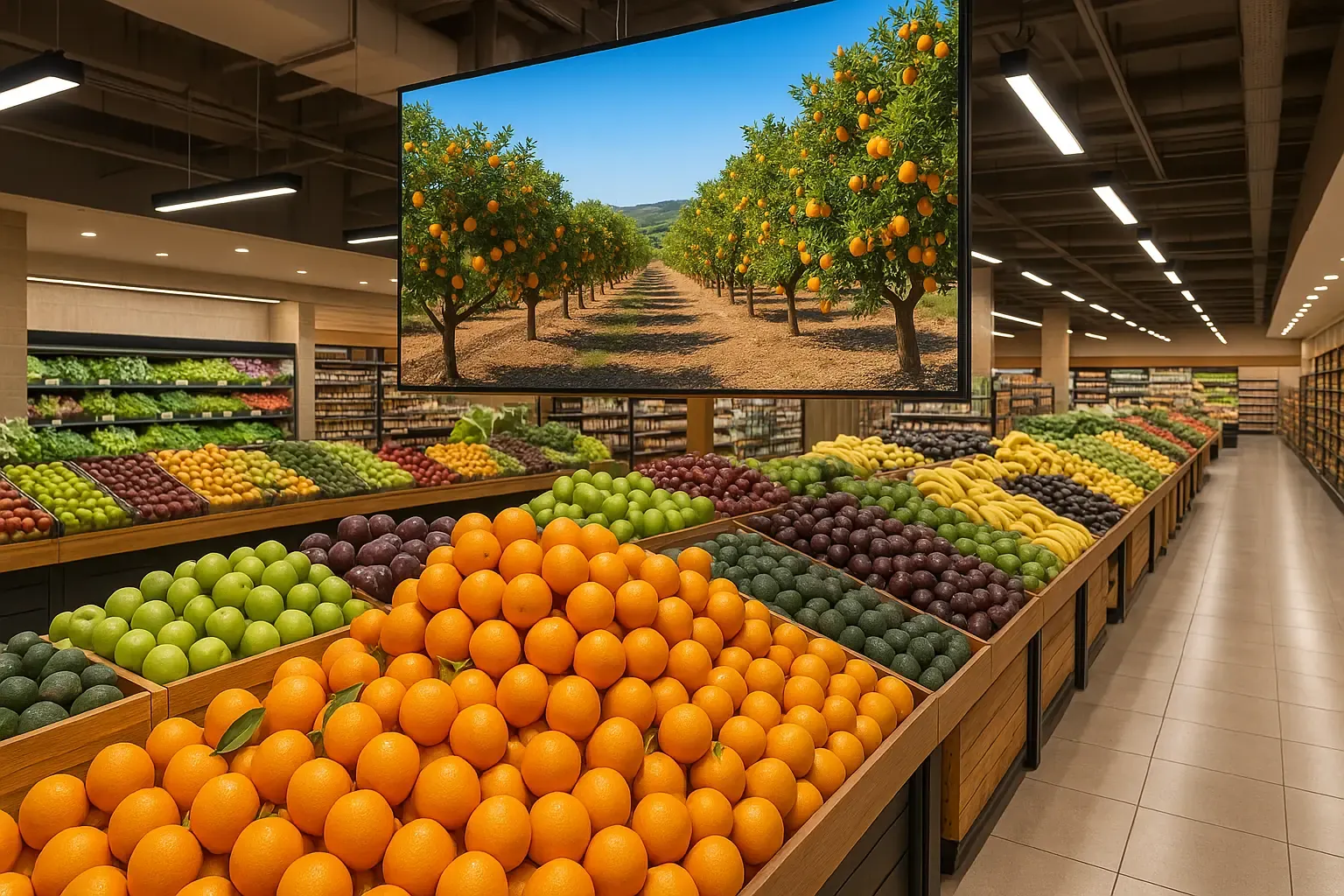
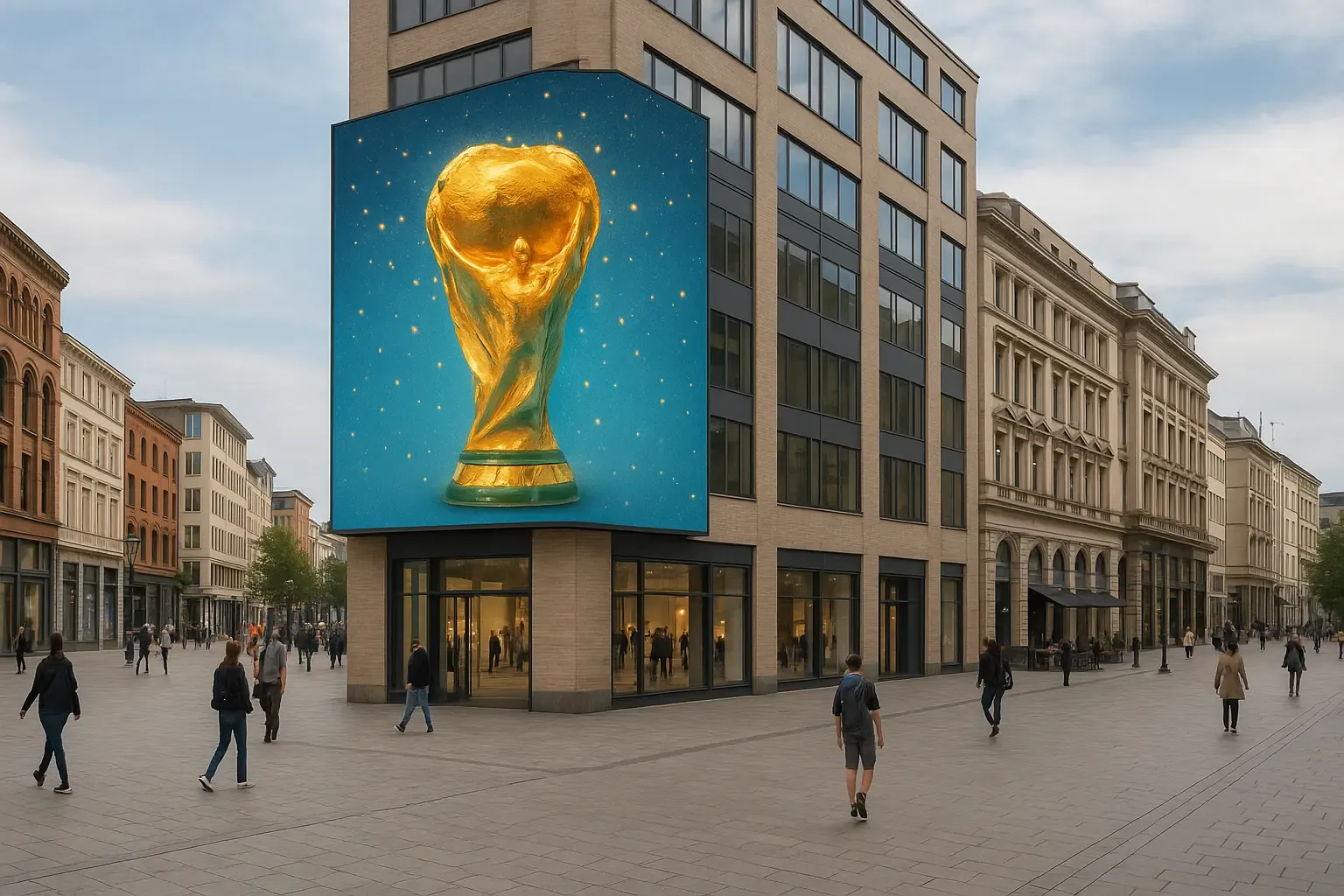
Markets served
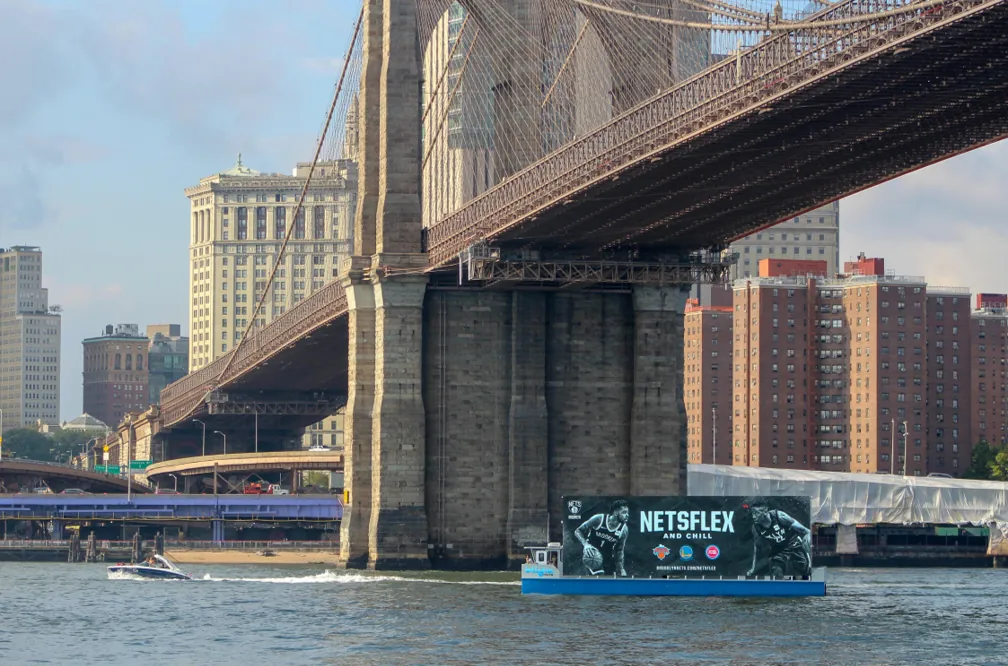
Digital Out-of-Home (DOOH) Signage
Why choose Vanguard LED displays for digital out-of-home signage?
- High-Impact, High-Traffic Displays: Engineered for visibility in commercial corridors, transit hubs, and urban centers
- Outdoor-Ready Performance: Weather-resistant, high-brightness panels built for continuous exposure and constant operation
- Ad-Driven Integration: Supports real-time scheduling, programmatic ad feeds, and dynamic campaign content
- Scalable for Any Surface: Modular architecture adapts to wallscapes, kiosks, billboards, and street-level installations
Vanguard LED Displays powers the modern advertising landscape with DOOH (Digital-Out-Of-Home) signage solutions engineered to capture attention and deliver measurable results. From metropolitan corridors and transit stations to shopping centers and roadside billboards, our LED systems bring brands to life with bold visuals, dynamic content, and unmatched reliability.
Our high-brightness, weather-resistant displays perform day and night, rain or shine—ensuring that ads, alerts, and live content remain visible and impactful in any environment. With seamless integration into programmatic advertising networks, Vanguard displays support real-time scheduling, live data overlays, and adaptive campaigns designed to maximize audience engagement.
Whether you’re building a large-format video wall on a city block or deploying interactive kiosks in retail districts, our modular systems scale to fit any application. Built for continuous operation and long-term service, Vanguard DOOH displays are trusted by media owners, outdoor advertising networks, and municipalities looking to modernize public communication.
In a world of shrinking attention spans, Vanguard LED ensures your message gets noticed—boldly, brilliantly, and right where it matters.
Series
Which Vanguard displays suit digital out-of-home signage?
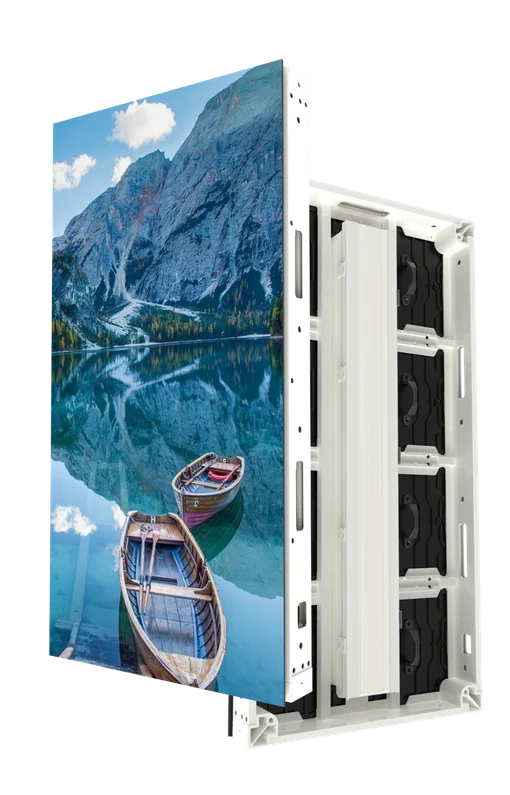
Einsteinium
Outdoor permanent installs, front and rear service.
- Outdoor Permanent Solution
- Customizable Sizing
- Fine Pitch Quality
Poseidon
IP65 sealed for coastal and marine weather, IP66 on request.
- Extreme Weather Ready
- Flexible Panel Design
- Energy Efficient Performance
Where we work
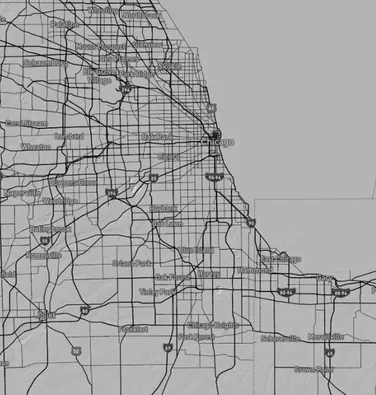
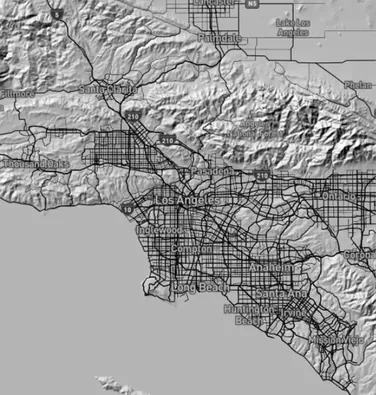
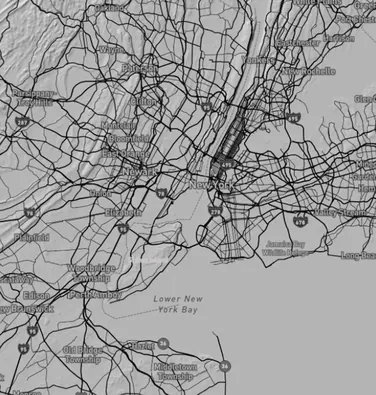
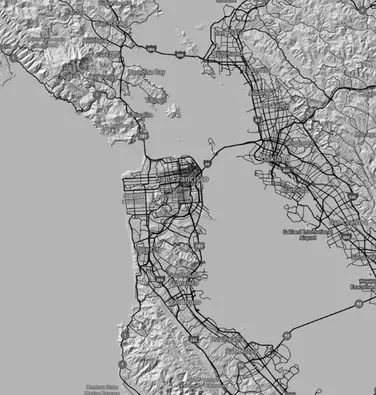
Where does Vanguard install displays for digital out-of-home signage?

Frequently asked questions
What should you know about LED for digital out-of-home signage?
What is the best display technology for digital signage?
LED is the most effective digital signage technology, delivering vivid, continuous imagery even in bright sunlight, with low power consumption, exceptionally long service life, and convenient remote content management. Indoor and outdoor variants cover every signage environment, from storefront windows to freestanding roadside displays.
LED has a longer life, simpler maintenance process, and guarantees performance over LCD, OLED, and projection.
Is indoor LED advertising very effective?
Yes — indoor LED advertising delivers vivid, high-contrast moving images that capture attention in retail, hospitality, transit, and event environments. Unlike static signage or LCD, LED offers seamless scaling, dynamic content, and long service life with minimal maintenance, while its brightness and color accuracy stay visible even in brightly lit interiors.
How can custom LED video displays help a business stand out in a competitive market?
In short Custom LED turns physical space into a dynamic branding platform — vivid visuals in unique shapes like tunnels, cylinders, and curves that static signage cannot produce.
Custom LED displays differentiate a business by transforming its space into a dynamic branding platform. Unlike static signage, LED delivers vivid, high-resolution visuals tailored to unique shapes, sizes, and environments — tunnels, cylinders, curves, and mixed flat-curved applications. That flexibility showcases promotions, storytelling, and brand identity in ways that connect directly with customers and leave lasting impressions, turning the display itself into a signature architectural element competitors can't replicate with off-the-shelf screens.
What are the advantages of LED display advertising for retailers?
In short LED advertising gives retailers eye-catching motion visuals, instantly updatable promotions, flexible installation, and long-term durability that static signage can't match.
LED gives retailers a dynamic way to capture attention and drive sales. Its advantages over static signage: eye-catching visuals with vivid color and brightness that stand out in busy environments; dynamic content updating promotions instantly; continuous moving images that capture and hold attention; consistent brand reinforcement building recognition and trust; flexible installation fitting storefronts, malls, airports, and interiors; and long-term value from durable, low-maintenance hardware. Together these make LED a measurable sales tool rather than a fixture.
Why is outdoor LED signage important for business visibility and branding?
In short Outdoor LED keeps a brand visible and current — motion content updated instantly drives higher recall, stronger awareness, and measurable engagement versus static signs.
Outdoor LED signage plays a critical role in visibility and brand recognition. Unlike traditional static signs, LED delivers dynamic, eye-catching motion content updated instantly for promotions, events, or real-time messaging — flexibility that increases foot traffic and keeps the brand present in customers' minds. Research consistently shows motion video outperforms static imagery, with businesses seeing higher recall rates, stronger brand awareness, and measurable engagement increases. High-brightness, weather-resistant, 24/7-capable hardware keeps the message working around the clock.
What are the best LED video walls for high-resolution indoor signage?
High-resolution indoor signage favors fine-pitch walls (0.9–1.9mm) where viewers approach closely, with high grayscale and bit depth keeping text and imagery smooth. Protective packaging — COB or epoxy-treated pixels — matters wherever the public can touch, and scheduling with remote management keeps content current without staff attention.
What are the leading trends in digital signage displays for US public venues?
US public venue signage is trending toward finer pitches at falling prices, networked displays under centralized cloud management, real-time data integration — transit, events, emergency alerts — replacing static loops, accessibility-conscious design, and energy efficiency as venues pursue sustainability targets. LED continues displacing LCD as the default signage technology.
What are the best panel systems for large digital signage networks?
Large signage networks favor standardized panels deployed identically across sites — simplifying spares, service, and calibration — under centralized remote management with health monitoring and alerts. Reliability economics dominate at network scale: proven diodes, quality power supplies, and hot-swappable service keep hundreds of displays running without site visits.
What are the best display controllers for large digital signage networks?
Large signage networks are managed, not operated — the best controllers offer centralized remote administration across every site, scheduling, health monitoring with alerts, and stable unattended operation. Scalable architectures let the network grow without replacing infrastructure, while integration with content management systems keeps distribution automated.
Which display platforms are best for multi-location enterprise signage networks?
Multi-location networks are chosen on capable management, not just image: centralized remote administration, health monitoring with alerts, scheduled content and brightness, and automatic recovery keep hundreds of displays running without site visits. Standardizing panels across locations simplifies spares, service, and brand consistency network-wide.
What are the important factors when selecting an outdoor LED display?
In short Outdoor selection comes down to brightness (3,500–10,000+ nits), weatherproofing (IP65/65 minimum, IP66/66 for salt air), pixel pitch matched to viewing distance, and structural design.
Selecting an outdoor LED display centers on four factors. Brightness must reach 3,500–10,000+ nits to stay visible in direct sunlight. Weatherproofing requires an appropriate IP rating — IP65 front and back is highly recommended, with IP66/66 encouraged in extreme conditions like salt air. Pixel pitch should match expected viewing distance, with larger pitches performing best at long range. Finally, structural considerations — wind loading, mounting, and service access — determine long-term reliability in the installation's specific environment.